%20%20--%3E%0A%3Csvg%20version%3D%221.1%22%20xmlns%3D%22http%3A%2F%2Fwww.w3.org%2F2000%2Fsvg%22%20xmlns%3Axlink%3D%22http%3A%2F%2Fwww.w3.org%2F1999%2Fxlink%22%20x%3D%220px%22%20y%3D%220px%22%0A%09%20viewBox%3D%220%200%201055.1%20200%22%20style%3D%22enable-background%3Anew%200%200%201055.1%20200%3B%22%20xml%3Aspace%3D%22preserve%22%3E%0A%3Cstyle%20type%3D%22text%2Fcss%22%3E%0A%09.st0%7Bfill%3A%23231F20%3B%7D%0A%09.st1%7Bfill%3A%230E203C%3B%7D%0A%09.st2%7Bfill%3A%23EC4324%3B%7D%0A%09.st3%7Bfill%3A%23FFFFFF%3B%7D%0A%3C%2Fstyle%3E%0A%3Cg%20id%3D%22Template%22%3E%0A%3C%2Fg%3E%0A%3Cg%20id%3D%22Layer_2%22%3E%0A%09%3Cpath%20class%3D%22st3%22%20d%3D%22M58.3%2C200.3h82.4c12.4%2C0%2C21.7-1.5%2C28-4.5c20.2-9.6%2C30.2-26.1%2C30.2-49.3c0-3.2-0.2-9.3-0.6-18.3h-65.1v14.9%0A%09%09c-0.9%2C3.9-3.4%2C5.8-7.5%2C5.8H73.2c-5%2C0-7.5-2.5-7.5-7.5V59.2c0-5%2C2.5-7.5%2C7.5-7.5h52.5c5%2C0%2C7.5%2C2.1%2C7.5%2C6.4v10.8h65.7V55.7%0A%09%09c0-16.3-3.8-28.3-11.4-36.1c-8.8-12.9-24.7-19.3-47.4-19.3H58.9C47%2C0.3%2C38%2C1.7%2C32%2C4.3c-21.3%2C9-32%2C26.1-32%2C51.4v88%0A%09%09c0%2C16.5%2C3.6%2C28.7%2C10.9%2C36.6C20.1%2C193.7%2C35.9%2C200.3%2C58.3%2C200.3z%22%2F%3E%0A%09%3Cpolygon%20class%3D%22st3%22%20points%3D%22596.6%2C64%20596.6%2C0.8%20400.1%2C0.8%20400.1%2C64%20442.7%2C64%20442.7%2C51.3%20466.1%2C51.3%20466.1%2C148.1%20442.1%2C148.1%20%0A%09%09442.1%2C199.9%20554.8%2C199.9%20554.8%2C148.1%20531.5%2C148.1%20531.5%2C51.4%20554.8%2C51.4%20554.8%2C64%20%09%22%2F%3E%0A%09%3Cpolygon%20class%3D%22st3%22%20points%3D%22942.4%2C148.5%20942.4%2C200.2%201055.1%2C200.2%201055.1%2C148.5%201031.8%2C148.5%201031.8%2C51.2%201055.1%2C51.2%201055.1%2C0.8%20%0A%09%09943.1%2C0.8%20943.1%2C51.3%20966.3%2C51.3%20966.3%2C80%20888.9%2C80%20888.9%2C51.3%20912.6%2C51.3%20912.6%2C0.5%20800.1%2C0.8%20800.1%2C51.4%20823.5%2C51.4%20823.5%2C148.6%20%0A%09%09800.1%2C148.6%20800.1%2C200.1%20912.6%2C200.1%20912.6%2C148.6%20888.9%2C148.6%20888.9%2C116.4%20966.3%2C116.4%20966.3%2C148.5%20%09%22%2F%3E%0A%09%3Cpolygon%20class%3D%22st2%22%20points%3D%22315.5%2C83.9%20299.6%2C34.9%20283.7%2C83.9%20232.2%2C83.9%20273.9%2C114.1%20258%2C163.1%20299.6%2C132.8%20341.3%2C163.1%20%0A%09%09325.4%2C114.1%20367%2C83.9%20%09%22%2F%3E%0A%09%3Cpolygon%20class%3D%22st2%22%20points%3D%22715.6%2C83.9%20699.7%2C34.9%20683.8%2C83.9%20632.3%2C83.9%20674%2C114.1%20658%2C163.1%20699.7%2C132.8%20741.3%2C163.1%20%0A%09%09725.4%2C114.1%20767.1%2C83.9%20%09%22%2F%3E%0A%3C%2Fg%3E%0A%3C%2Fsvg%3E%0A)

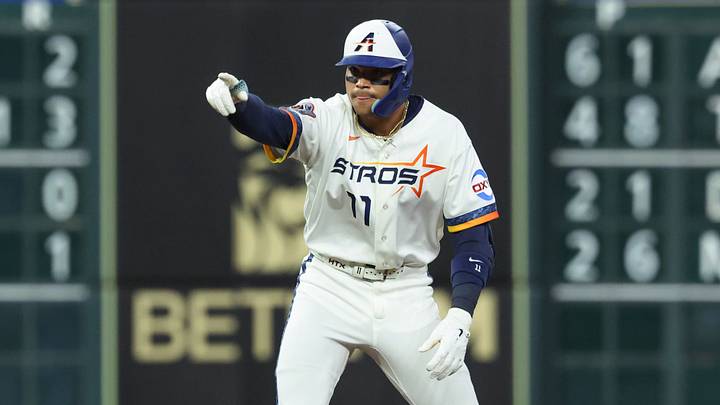
We are often told that players are usually who they are on the back of the baseball card. Unfortunately, the information on the back of the baseball card doesn't have all of the relevant information. When you look casually at Cam Smith's numbers, you would be tempted to say there is considerable growth from one year to the next. After all, the home runs have doubled from 2025 to 2026.
However, there is a lot that isn't there when we look at the basic numbers on the back of the baseball card. Those are the advanced metrics teams often use when they are evaluating players, most of which can be found at baseball-reference.com and fangraphs.com. However, there is a new one that cannot be found at either of those sites.
I'm not saying I invented this new stat. It just isn't tracked anywhere. It's called Bases Per Out. Bases Per Out is a more advanced way of looking at total offensive production (and pitching production) than OPS or any of the other advanced metrics. It is more accurate because it also includes base running to encompass everything a player does offensively. It is calculated by adding total bases, walks, stolen bases, and hit by pitches and dividing that sum by total outs.
Obviously, league averages vary from one season to the next. The MLB average this season has hovered around .670 but it changes from one day to the next by a percentage point here or there. We will also be looking at numbers some of you are more familiar with like OPS+, rOBA, wOBA, and wRC+. I think what you will find is that Smith's two seasons look almost exactly the same. We are taking these numbers after he played the exact same number of games both seasons.
OPS+ | rOBA | wOBA | wRC+ | BPO | |
|---|---|---|---|---|---|
2025 | 88 | .304 | .298 | 90 | .615 |
2026 | 89 | .298 | .294 | 87 | .620 |
You see some stark similarities not only in the numbers from season to season but in how they are expresed. In plain English, OPS+ and wRC+ tend to mirror each other. There will be slight differences because the formulas are slightly different, but they are measured the same way. 100 is average and so Smith is decidedly below average as an offensive performer.
wOBA and rOBA are also very similar. Even if you aren't a stathead, you can look at these numbers and come to one very clear conclusion. Cam Smith is virtually the same player in terms of value that he was last season. He will likely end up with close to 20 home runs and have more runs and RBI then he had a season ago, but in terms of actual production he is virtually the same.
Is this who Cam Smith is or has something happened that is limiting his growth?
Dana Brown obviously has come under a lot of scrutiny, but the most consequential decision was rushing Smith to the big leagues. It is possible that this was destined to happen to Smith, but it is also possible that his struggles are a direct result from being rushed beyond AA and AAA.
Had he had a normal progression then he would likely be making his big league debut around now and 2027 would be his first full season. So, the question is: were the last two seasons better for his 2027 development or would he have been better toiling in the minors?
While it may be impossible to assert a 100% certainty that rushing Cam Smith to the majors because the team essentially didn't have another option is the sole reason Smith hasn't shown much progress year over year, it is easy to state it as the most influential reason. Clearly he could have benefitted from more than 115 minor league AB, of which only 19 were at Double-A.
All the lessons learned in the minors were never learned. The failures that lead to success that lead to promotion were never overcome. If Cam Smith turns out to be who he has been, the team rushing him to the majors to fill it's organizational failures will be the biggest reason why.
 Add us as a preferred source on Google